
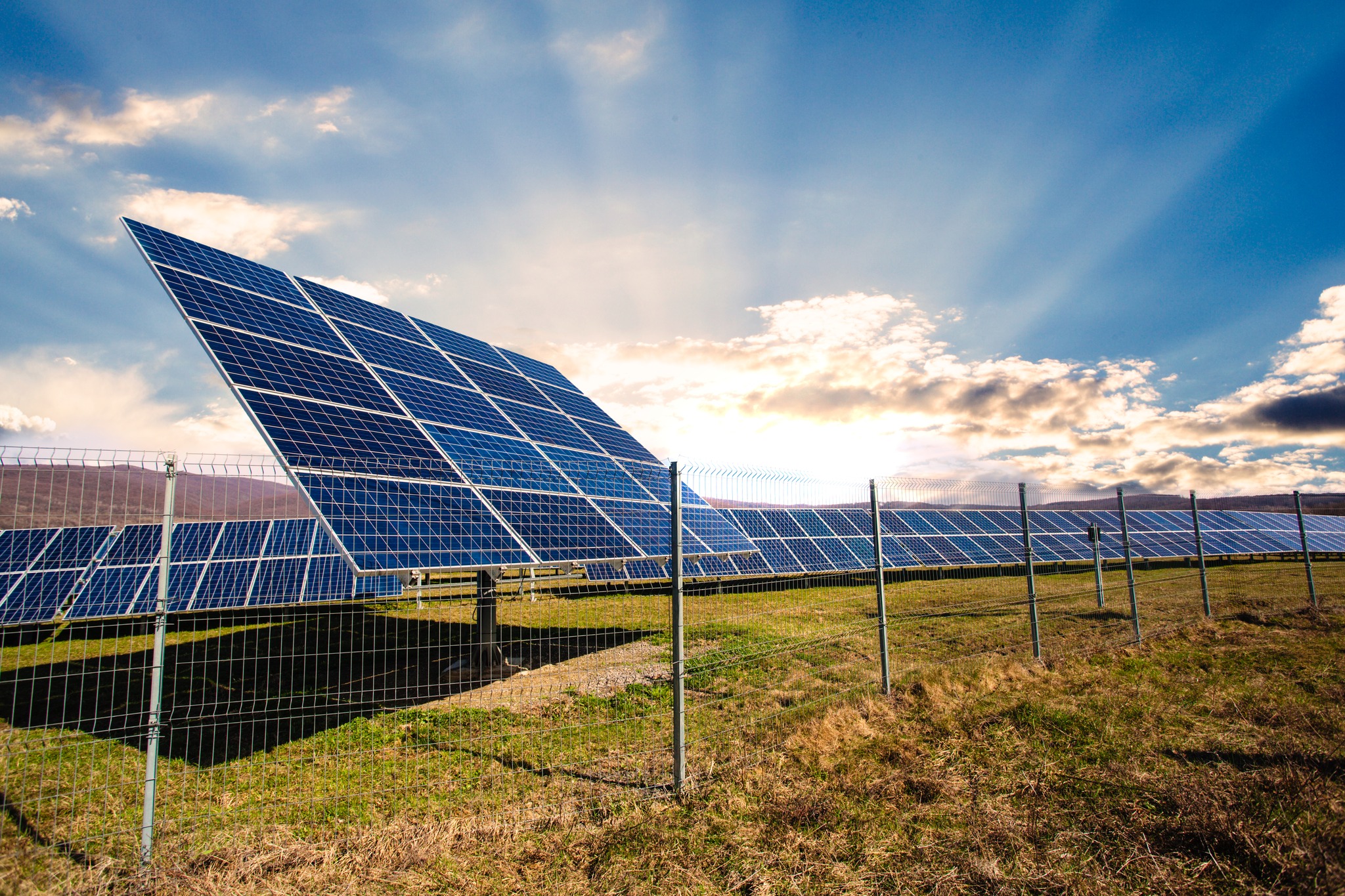
Photo credit: Cabins Unplugged.
The Energy Transition Initiative (ETI) Pilot Studies Program connects innovative energy technologies with real-world applications in Bruce County. We support both technology developers looking to pilot new solutions and local businesses and organizations interested in testing emerging technologies.
By bringing together innovators and adopters, ETI helps advance low-carbon solutions while addressing real operational needs. From hydrogen and energy storage to electrification, we provide the connections and support needed to move pilot projects from concept to implementation.
🔧 Pilot Technologies & Ideal Test Environments
🌱 Agrivoltaics – Integrated Solar & Agriculture
Agrivoltaic systems combine solar energy generation with active agricultural use, such as grazing or specialty crops. These pilots focus on testing how solar installations can be integrated into working farmland while maintaining agricultural productivity and generating renewable energy.
What makes a good pilot site:
- Non-prime or lower-quality agricultural land
- Existing or planned agricultural use (e.g., grazing or specialty crops)
- Adequate space and solar exposure
- Willingness to adapt agricultural practices alongside solar infrastructureInterest in maintaining production while diversifying revenue
🌍 Geothermal Heating & Cooling Systems
Geothermal technologies use the earth’s stable temperature to provide efficient heating and cooling for buildings. Pilot projects evaluate system performance, long-term cost savings, and integration with existing infrastructure
What makes a good pilot site:
- Buildings with consistent and high heating/cooling demand (agricultural, commercial, institutional, multi-residential)
- Available land or drilling access for ground loops
- Long-term ownership or commitment to the building
- Interest in reducing energy costs and emissions
🔋 Energy Storage & Power Management
Energy storage systems provide additional power where grid capacity is limited. By storing clean energy and using it during peak periods, they help manage variable demand, reduce peak loads, and support site growth.
What makes a good pilot site:
- Facilities with high or variable energy use
- Constrained grid capacity
- Interest in reducing peak demand or energy costs
- Existing or planned renewable energy integration
- Ability to monitor and share performance data
⚡ Electric Vehicle (EV) Charging Systems
EV charging technologies support the growing demand for electric transportation across fleets, workplaces, and public spaces. Pilot projects explore installation, usage patterns, and integration with existing electrical systems.
What makes a good pilot site:
- Parking areas with regular vehicle traffic (staff, fleet, or public)
- Available electrical capacity or upgrade potential
- Interest in fleet electrification or public charging access
- Ability to track and share basic usage data
♻️ Waste-to-Energy & Anaerobic Digestion Systems
These systems convert organic materials—such as food waste, agricultural byproducts, wood residues, and other biodegradable inputs—into usable energy through processes like anaerobic digestion. Pilot projects focus on demonstrating how waste streams can be processed on-site to generate heat, electricity, or fuel, while also producing valuable byproducts like nutrient-rich fertilizer.
What makes a good pilot site:
- Reliable access to organic waste materials (e.g., farm, food, or industrial sources)
- Interest in reducing disposal costs and environmental footprint
- Adequate space for equipment installation
- Capacity to support day-to-day operation and monitoring
- Interest in generating energy or recovering value from waste streams
🌿 Agrivoltaics – Crop Production & Microclimate Systems
These agrivoltaic systems are designed to support crop production by integrating elevated solar panels that create partial shading and beneficial microclimates. Pilot projects explore how in-field solar structures can reduce frost risk, moderate temperature extremes, and improve growing conditions for crops such as orchards and shade-tolerant plants.
What makes a good pilot site:
- Active agricultural operations (e.g., orchards, vineyards, specialty crops)
- Crops that benefit from partial shade or frost protection
- Suitable field layout for solar integration
- Willingness to test new growing methods alongside solar infrastructure
- Interest in improving crop resilience and productivity
Bruce County businesses interested in piloting one of the technologies highlighted above—or offer a similar solution and are looking to connect with potential host sites—we encourage you to get in touch to explore pilot opportunities.
How it works:
- Share your technology or challenge
Tell us about your innovation or energy transition need. - Alignment assessment
We assess how your solution fits with local priorities, resources, and opportunities. - Connection and site matching
We facilitate introductions to potential partners and help identify suitable pilot locations. - Pilot facilitation and ongoing support
We support coordination and remain involved as needed to help move the pilot forward.