
Step Inside and Take a Look Around.
Across Bruce County, businesses and organizations are embracing opportunities in an evolving energy landscape. This digital tour showcases projects supported through the Energy Transition Initiative, highlighting how local leaders are building on the region’s energy strengths, pursuing new opportunities, and preparing for the future. Through collaboration, investment, and innovative thinking, these organizations are helping strengthen business resilience and contribute to a diverse and prosperous local economy.
Explore their stories, discover what’s possible, and see how Bruce County is leveraging its energy advantage to support businesses, foster innovation, and build for the future.
The project is funded in part by the Government of Ontario.
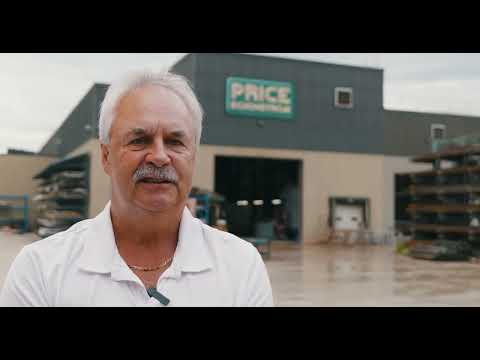
PSI (Price-Schonstrom Inc.) is a Walkerton-based manufacturer that designs and fabricates custom stainless steel process equipment, including pressure vessels, heat exchangers, storage tanks, and material handling systems for industrial applications.
They installed 100 kW solar system which generates approximately 66,000–70,000 kWh annually and helps offset hydro costs. The agreement runs until 2032, at which time the system will either be decommissioned or upgraded.
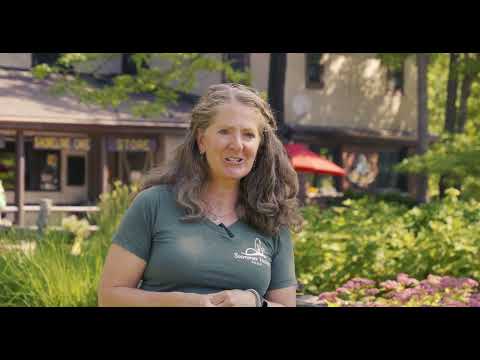
Summer House Park is a seasonal recreational community that provides cottage and campground accommodations, with its solar system helping to offset electricity costs and support the park’s energy needs during the operating season.
The park is committed to sustainable tourism and environmental stewardship through the use of renewable energy and energy optimization initiatives that reduce its environmental footprint, lower electricity consumption, and enhance the sustainability of its operations. The park also supports cleaner transportation options by providing EV charging stations and utilizing electric boat motors, helping to reduce emissions while improving the visitor experience and benefiting the surrounding community.
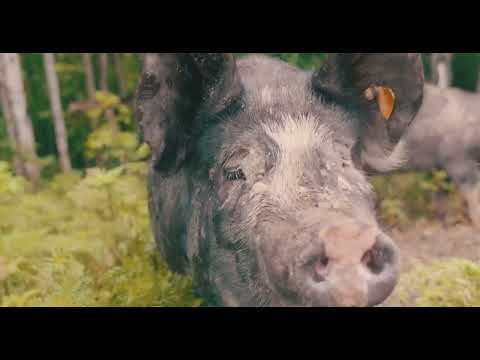
Dodds Acres is an off-grid family farm specializing in pasture-raised pork and chicken, with a strong focus on self-sufficiency and long-term operational resilience. By generating its own power and reducing reliance on external utilities, the farm is building a more independent and reliable energy system.
As the business grows, Dodds Acres is actively exploring wind power and other energy sources to support future expansion, increase energy capacity, and strengthen farm operations.
Tiverton Park Manor is a senior residence in Bruce County that is investing in modern energy infrastructure to support efficient, reliable, and cost-effective operations. In 2024, the facility completed a 246 kW net-metered solar installation that supplies a significant portion of its electricity needs and strengthens its long-term energy independence.
Building on this investment, the Manor is advancing a capital project to transition its HVAC system to a variable refrigerant flow air-source heat pump system while continuing to explore additional energy solutions that will support future facility improvements, operational resilience, and evolving energy requirements.
Marl Creek Renewables is focused on converting agricultural and organic waste streams into renewable energy through its biogas system, creating value from materials that would otherwise be underutilized. By producing biogas for on-site energy generation, the operation is strengthening its energy independence while supporting efficient and reliable facility operations.
As the business continues to grow, Marl Creek Renewables is evaluating opportunities to further enhance its energy production capacity and optimize its systems to support future operational needs and long-term business development.
This stop on the Digital Familiarization Tour highlights a local hotel that recently expanded its operations with 30 additional guest rooms and introduced long-term stay suites, becoming the first Best Western location in its network to offer this accommodation model.
The expansion also incorporated four EV charging stations, demonstrating how tourism businesses can integrate cleaner energy infrastructure while supporting evolving customer needs.
Located in Sauble Beach, Miller’s Home Hardware has taken a proactive approach to reducing energy consumption and integrating renewable energy into its operations. The business has implemented a range of efficiency measures, including LED lighting upgrades, occupancy sensors, and automated controls, while also investing in rooftop solar generation and a geothermal heating and cooling system.
By combining energy efficiency improvements with renewable energy technologies, Miller’s Home Hardware has created a more sustainable and resilient operation, demonstrating how local businesses can successfully reduce energy costs and environmental impact while supporting long-term growth.
When an aging oil tank reached end of life, the Colpoy’s Bay Women’s Institute Community Hall transitioned to an air source heat pump system with propane backup. Supported by grant funding and community fundraising, the project improved comfort, reduced energy use, and modernized the historic facility.
The upgrade has enabled year-round use of the hall while demonstrating how community spaces can successfully adopt cleaner energy solutions.
Grassroots Woodfired Pizza has made strategic investments in clean energy technologies, including on-site solar generation, geothermal heating and cooling, and air source heat pumps in its main event space. As the business plans for a new production facility, it continues to explore opportunities to reduce propane use and strengthen long-term energy resilience.
By incorporating renewable energy into its operations, Grassroots Woodfired Pizza is future-proofing its business, helping manage energy costs, improve energy security, and support sustainable growth for years to come.
Over the past two years, this training and events facility has made significant investments to modernize its energy systems and improve building performance. The 33,000 sq. ft. facility, which includes classrooms, offices, and event spaces, has transitioned away from propane heating by installing air source heat pumps, implemented LED lighting throughout most of the building, and introduced smart temperature controls to better manage energy use.
The facility is also expanding its clean energy infrastructure with the installation of an EV charging station and is exploring additional opportunities to strengthen long-term energy resilience. These upgrades are helping create a more efficient, future-ready space while supporting the needs of students, staff, and visitors.
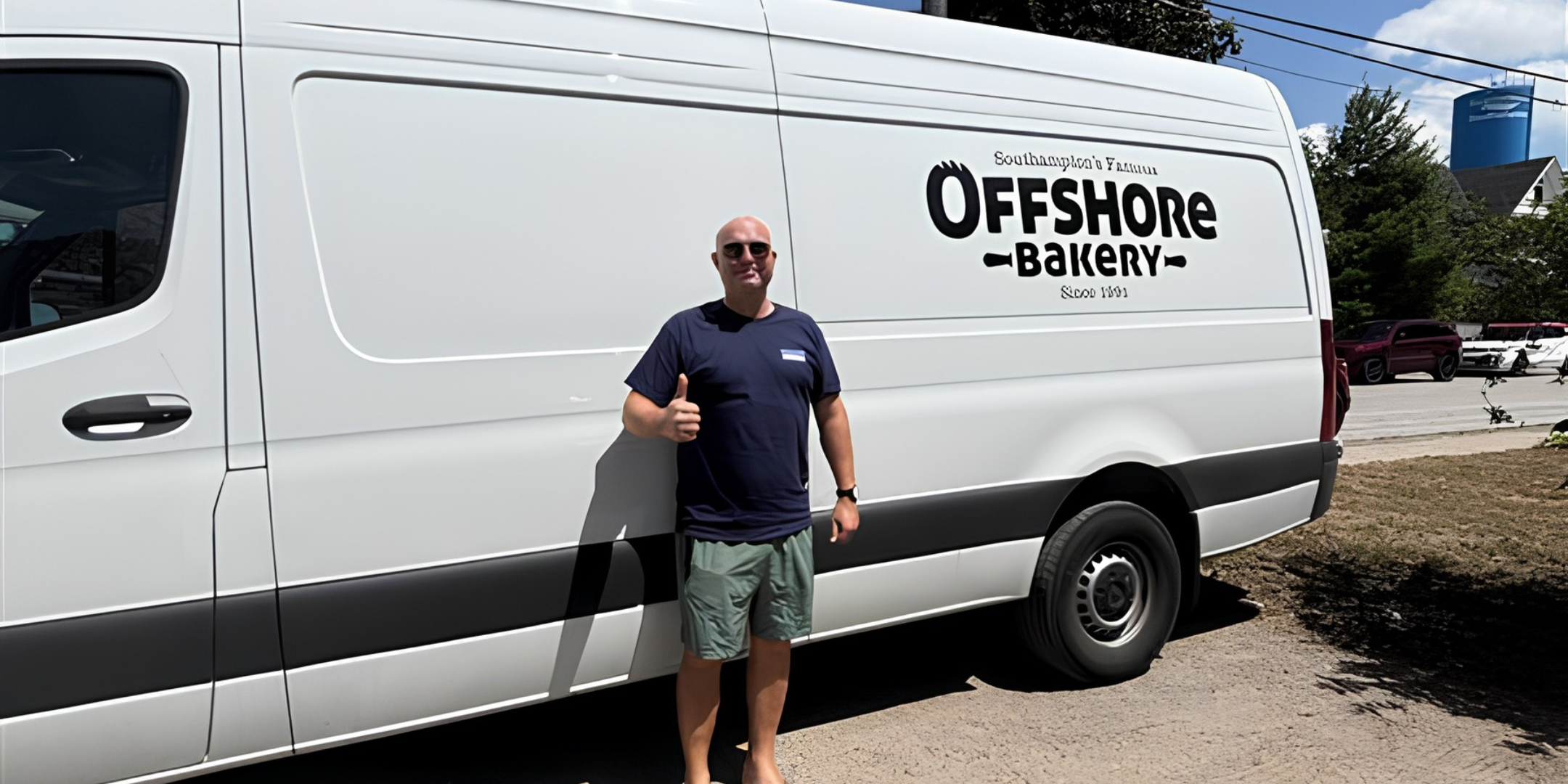
In the heart of Bruce County, Offshore Bakery is making waves—not just with its pastries, but with its commitment to sustainability. Owner Justin Niklaus recently transitioned to an electric delivery van, marking a bold step toward cleaner operations and inspiring other local businesses to consider the switch.
The facility is also expanding its clean energy infrastructure with the installation of an EV charging station and is exploring additional opportunities to strengthen long-term energy resilience. These upgrades are helping create a more efficient, future-ready space while supporting the needs of students, staff, and visitors.
Redfarm Holsteins – Tiverton, Ontario
At Redfarm Holsteins in Tiverton, energy transition isn’t just a goal; it’s part of how the farm keeps moving forward, season after season. The 150 cow dairy farm, located on Bruce Road 15, has operated since 2008, shipping milk to Gay Lea and growing its own feed. With no natural gas pipeline and electricity running 24/7 for milking, cooling, fans, and motors, summer hydro bills once topped $4,000 per month. The solution was solar, sized to fit the grid.
A new dairy barn built in 2021 was designed with solar in mind, featuring reinforced roofing and a south facing layout. In 2024, Redfarm Holsteins partnered with Otter Energy to install a rooftop solar system. Local grid limits, however, meant only half of the planned project could move ahead. For now, the net-metering project size is set by how much generation the local grid can take, so any future expansion will depend on additional capacity.
At the Quality Inn in Southampton, electric vehicle charging has become a practical amenity that reflects changing guest expectations and the hotel’s efficient approach to energy use. The decision to install EV charging was driven by sustainability requirements and increasing guest demand. More travelers were arriving in electric vehicles and asking if charging was available on site—often before booking.
With no natural gas pipeline and electricity running 24/7 for milking, cooling, fans, and motors, summer hydro bills once topped $4,000 per month. The solution was solar, sized to fit the grid. “As an EV driver myself, I understood how valuable overnight charging can be,” the owner says.
EV charging fits naturally into the hotel’s overall sustainability approach. The property uses LED lighting throughout and high efficiency heat pumps, with individual thermostats in every guest room to reduce unnecessary energy use. As a result, electricity costs are significantly lower than many comparable hotels—often less than a quarter of what similar properties pay, even with EV charging in operation. Today, EV charging supports bookings, generates revenue, and enhances guest convenience—without complicating operations.